
Apparatus stills · 175 Rue Sainte-Catherine O
Happenings
- Monty Pythons Spamalot Announces Upcoming North American Tour DatesThe beloved musical returns for a new tour, kicking off in October 2026 and ending in April 2027. · 16 Sep 2026
- City note 5City note 5 · 15 Jun 2025
- City note 6City note 6 · 15 Jun 2025
- Satosphère week — notes from the deskSatosphère · 14 Apr 2025
- Olympic Stadium week — notes from the deskOlympic Stadium · 13 Mar 2025
- Place des Arts week — notes from the deskPlace des Arts · 12 Feb 2025
Apparatus
Venue orbit
Studio sheet
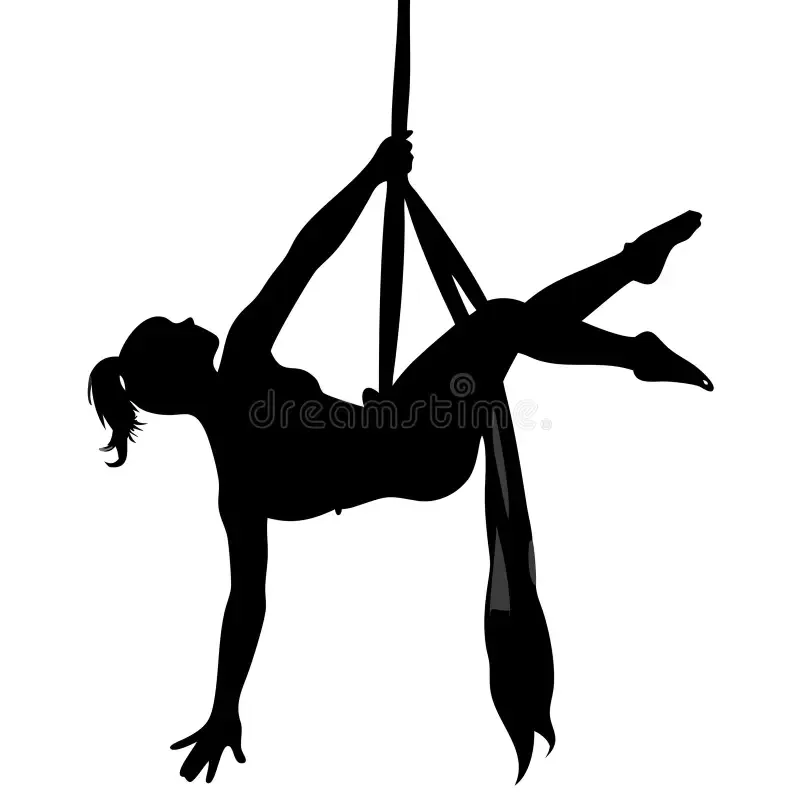
English aerial and circus craft on Sainte-Catherine — classes, open practice, and happenings timed to Bell Centre and Place des Arts weeks. The engraved plate above is the brand signal; apparatus codes, venue orbit, and feed F13 headlines carry the rest without marketing filler in the first viewport.
Finding your way into aerial and circus training
Aerial arts can look like they belong only to professional performers, but most people who train on silks, hoop or trapeze started with no background in dance, gymnastics or climbing. What matters at the beginning is curiosity and patience. Strength, flexibility and body awareness build steadily when you train regularly, and the first few months tend to bring visible progress: a cleaner climb, a steadier hold, a sequence you can repeat without thinking.
Choosing a first apparatus
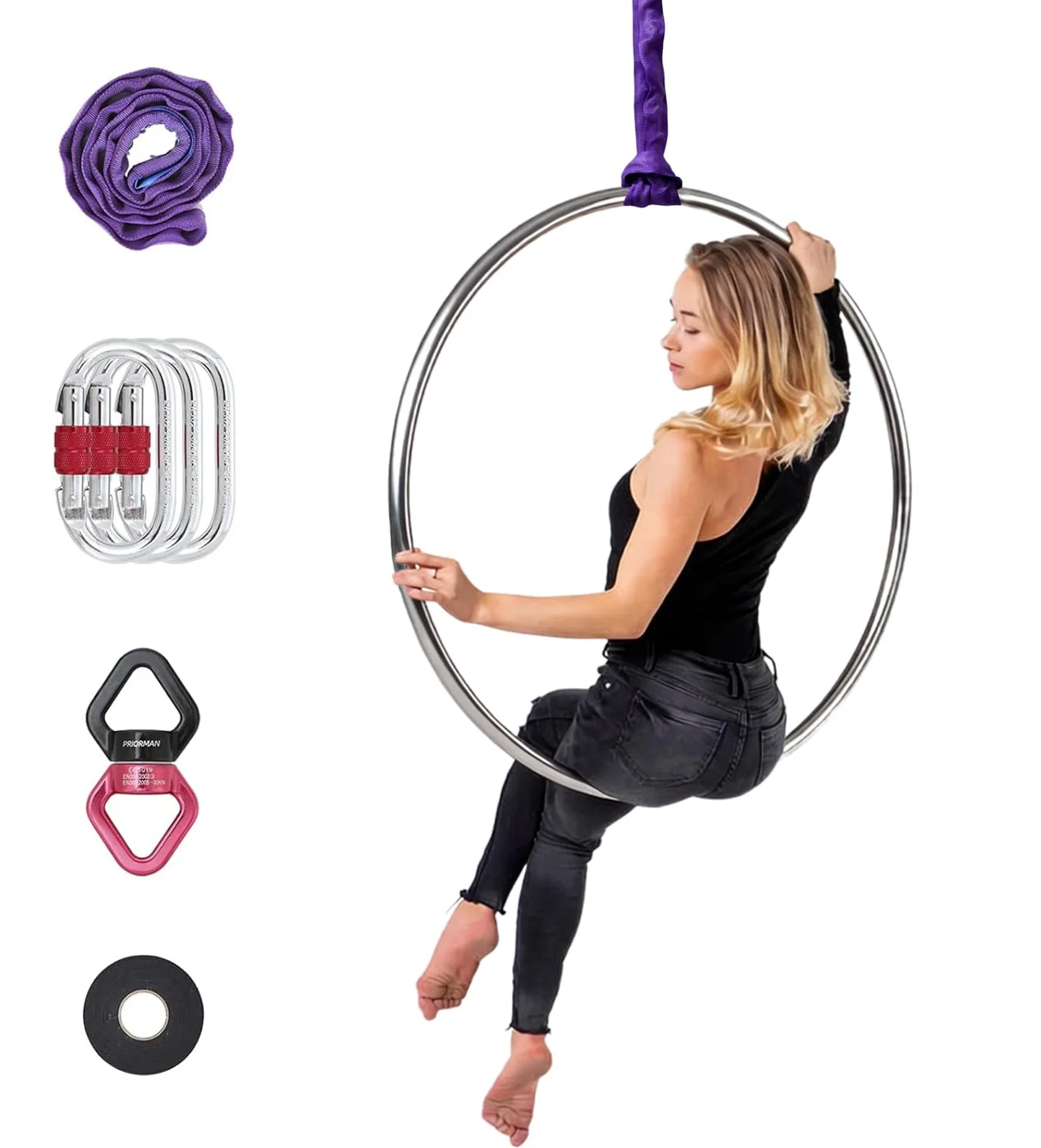
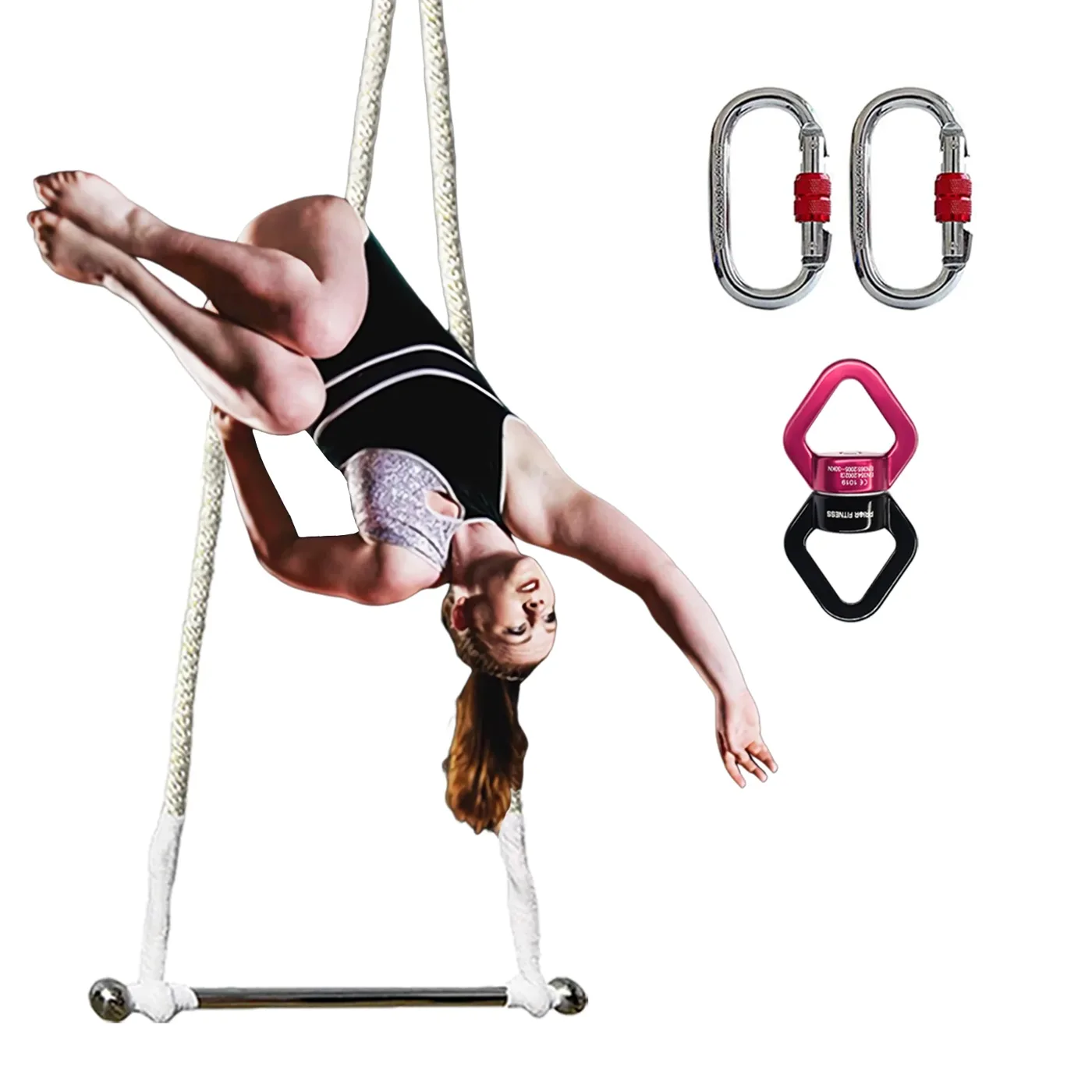
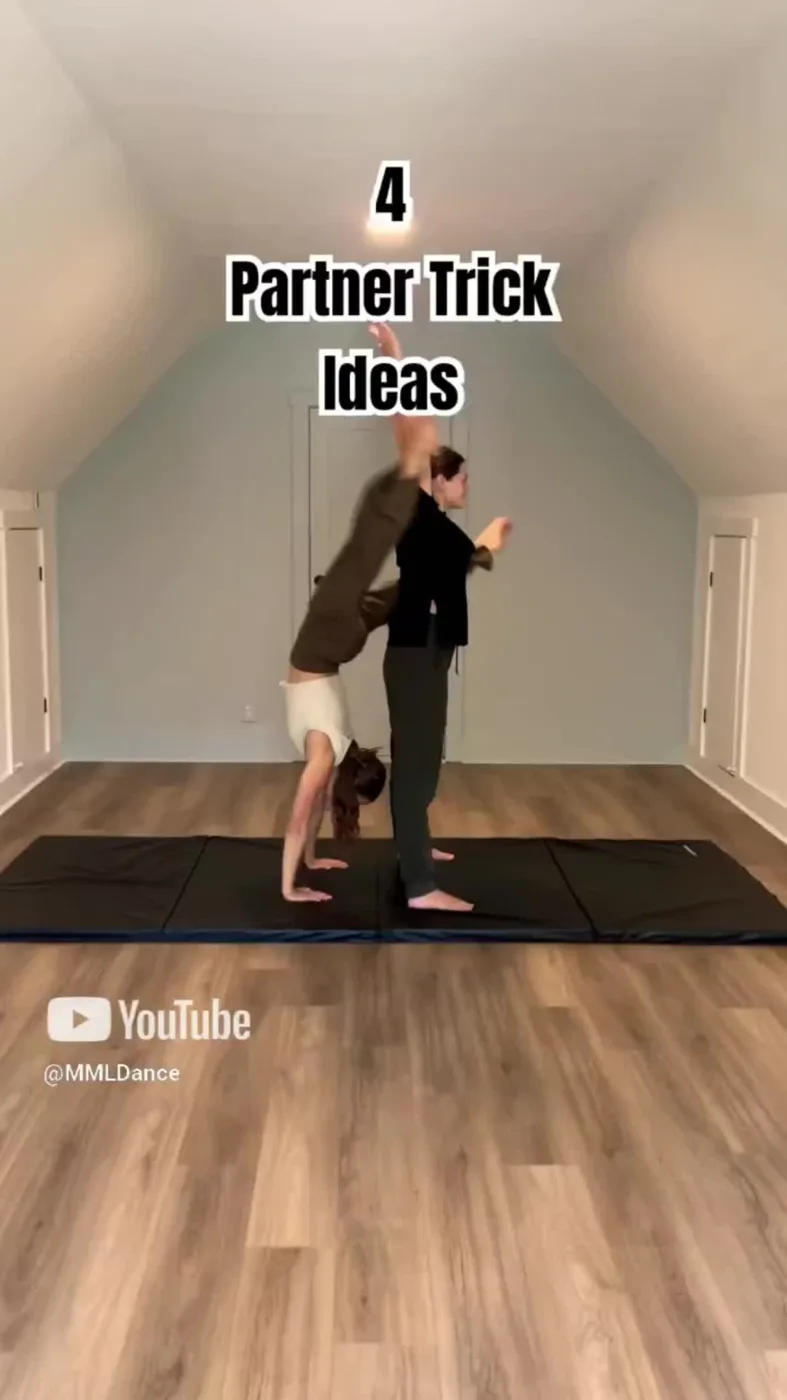
Each apparatus teaches the body something slightly different. Silks reward grip endurance and careful attention to wraps, since the fabric does much of the holding once a lock is set correctly. Aerial hoop builds shoulder and core strength through shapes made inside and around a fixed frame. Static trapeze introduces clear lines and mounts on a bar, while rope asks for strong climbing technique and controlled descents. Partner acrobatics stays close to the mats and is as much about trust and communication as it is about balance. If you are unsure where to begin, many beginners find hoop or silks a friendly entry point, and the skills carry over well once you try other equipment.
What helps in the early weeks
- Wear fitted clothing that covers the backs of the knees and the underarms, as fabric and bar contact can rub bare skin.
- Remove rings, watches and other jewellery before training.
- Eat lightly beforehand and bring water.
- Expect some soreness in the hands, forearms and shoulders; rest days are part of training, not a break from it.
- Tell your instructor about any injuries or health concerns, and check with a medical professional if you have doubts about starting a new physical activity.
Conditioning and technique grow together. Spotted progressions, low heights and repeated basics are how aerialists stay safe while working toward more ambitious moves, so it is worth enjoying the fundamentals rather than rushing past them.
Before your first session, the first visit page explains what to bring and how a class usually runs, and the FAQ answers common questions about levels and equipment. When you feel ready to train on your own, self-led sessions are described under open studio.
Studio · Visit · Apparatus index · Happenings